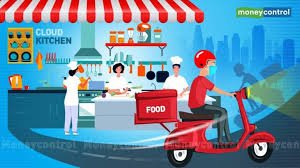
The food industry has seen a digital revolution over the last decade, and at the center of this transformation are cloud kitchens—delivery-only restaurant models. Unlike traditional restaurants, cloud kitchens thrive on technology for everything from customer acquisition to last-mile delivery.
This blog explores how online ordering, AI, automation, and analytics are shaping the future of cloud kitchens and making them one of the fastest-growing business models in the food sector.
1. Online Ordering Platforms: The First Touchpoint
Cloud kitchens rely heavily on online food delivery apps like Zomato, Swiggy, Uber Eats, and DoorDash. These platforms:
-
Provide instant visibility to millions of customers.
-
Offer real-time menus, discounts, and promotions.
-
Simplify cashless payments through wallets, UPI, and cards.
-
Give customer insights on preferences, order frequency, and spending patterns.
Some cloud kitchens also build their own branded apps/websites, reducing dependency on aggregators and increasing customer loyalty.
2. POS Systems and Integrated Kitchen Management
A robust Point-of-Sale (POS) system is the backbone of cloud kitchens. Modern POS solutions help by:
-
Integrating orders from multiple platforms into one dashboard.
-
Tracking inventory and raw material usage in real time.
-
Automating billing, invoices, and GST reports.
-
Providing data analytics for smarter decision-making.
3. Artificial Intelligence for Demand Forecasting
AI tools are game-changers for cloud kitchens because they:
-
Predict demand patterns based on past orders, festivals, or weather.
-
Optimize menu pricing dynamically to boost sales.
-
Suggest best-selling dishes to highlight during peak hours.
-
Reduce food waste by matching stock with accurate demand forecasts.
4. Automation in the Kitchen
To achieve speed and consistency, cloud kitchens use automation such as:
-
Smart ovens and fryers with pre-set cooking programs.
-
Recipe standardization software ensuring taste consistency.
-
Robotic food preparation systems (like Flippy the burger robot).
-
Order display systems to streamline chef workflows.
Automation ensures faster delivery times and better efficiency.
5. Delivery Tech: From GPS to AI Routing
The final leg—delivery—is where customer satisfaction is won or lost.
-
GPS tracking lets customers follow their order in real time.
-
AI-powered route optimization reduces fuel costs and delivery times.
-
Electric vehicles (EVs) and drone deliveries are being piloted for eco-friendly and ultra-fast delivery.
-
Smart delivery lockers and hubs are being tested in urban areas for better efficiency.
6. Data Analytics and Customer Insights
Data is the fuel for cloud kitchens. By analyzing order patterns, kitchens can:
-
Launch hyperlocal menus suited to neighborhood tastes.
-
Personalize offers with AI-driven recommendations.
-
Track customer ratings and feedback to improve service.
-
Identify low-performing items and replace them quickly.
7. Future Tech Trends in Cloud Kitchens
-
Virtual Reality (VR) menus for immersive customer experiences.
-
Blockchain for transparent food sourcing.
-
Voice ordering via Alexa and Google Assistant.
-
AI chatbots for 24/7 customer support.