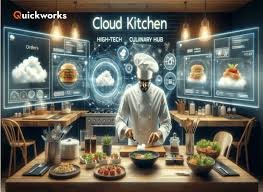
Role of AI in Cloud Kitchens
-
Smart Demand Forecasting
AI analyzes customer data, seasonal trends, and local events to predict which dishes will sell more. This helps reduce food wastage and optimize inventory. -
Personalized Customer Experience
AI-powered recommendation engines suggest meals based on customer preferences, increasing repeat orders. -
Dynamic Pricing
Similar to airlines and ride-sharing apps, AI can adjust food prices in real-time depending on demand, time, or location. -
Chatbots for Customer Service
AI-driven chatbots handle common queries, track orders, and even upsell items, improving customer engagement.
Automation in Cloud Kitchens
-
Robotic Cooking & Food Prep
Automated machines and robotic arms can handle repetitive cooking tasks, ensuring consistency and speed. -
Automated Packaging & Delivery
Conveyor belt packaging, smart labels, and even drone/robot delivery are becoming a reality in advanced markets. -
Kitchen Management Systems
Automation software coordinates multiple brands within one kitchen, streamlining order flow and minimizing human error. -
Contactless Operations
Automated lockers and smart kiosks make pickup and delivery safer and faster.
Benefits of AI & Automation in Cloud Kitchens
-
Reduced operational costs
-
Better consistency in food quality
-
Faster order fulfillment
-
Lower food wastage
-
Higher customer satisfaction
Challenges Ahead
While the opportunities are huge, AI and automation also bring challenges:
-
High initial investment in technology
-
Need for staff training and adaptation
-
Reliability on internet and software systems
-
Balancing automation with the “human touch” in food service
Future Outlook
By 2030, cloud kitchens are expected to dominate the food delivery industry, and AI will be the backbone of their growth. From robot chefs to AI-powered marketing, the integration of technology will define how we eat in the digital age.